Diving into the realm of cybersecurity jobs with remote flexibility, this introduction sets the stage for an in-depth exploration of a rapidly evolving industry. From the allure of working remotely to the essential skills needed, this topic promises to offer valuable insights for both seasoned professionals and newcomers alike.
As we delve deeper into the nuances of remote cybersecurity roles, readers will gain a comprehensive understanding of the opportunities and challenges that come with this increasingly popular career path.
Researching Remote Cybersecurity Jobs
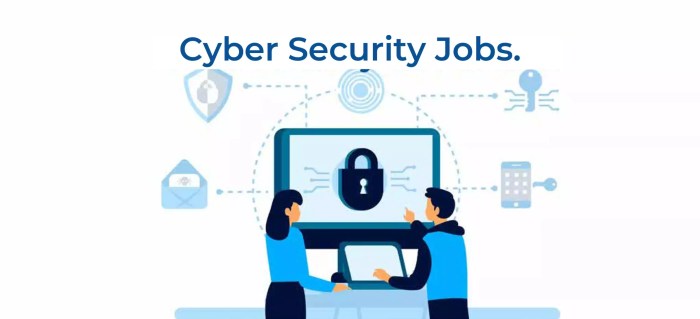
When looking for remote cybersecurity jobs, it is essential to explore various online platforms that specialize in listing such opportunities. These websites cater to individuals seeking cybersecurity roles that offer remote flexibility, allowing them to work from anywhere.
Popular Websites for Finding Remote Cybersecurity Job Listings
- CyberSecJobs: Specializes in cybersecurity job listings, including remote positions.
- We Work Remotely: Features remote cybersecurity jobs from various industries.
- Remote.co: Offers a wide range of remote cybersecurity job opportunities.
Benefits of Working Remotely in Cybersecurity
- Flexibility: Remote work allows for a better work-life balance and eliminates commuting time.
- Increased Productivity: Working in a comfortable environment can boost productivity levels.
- Global Opportunities: Remote cybersecurity jobs open up opportunities to work with companies worldwide.
Tips for Optimizing Your Resume for Remote Cybersecurity Job Applications
- Highlight Remote Work Experience: Showcase any previous experience with remote work or projects.
- Emphasize Technical Skills: Make sure to include your proficiency in cybersecurity tools and technologies.
- Showcase Communication Skills: Remote roles require strong communication abilities, so highlight this on your resume.
Key Skills in High Demand for Remote Cybersecurity Positions
- Cybersecurity Certifications: Certifications like CISSP, CEH, and CompTIA Security+ are highly valued.
- Cloud Security Expertise: Knowledge of cloud security platforms like AWS and Azure is essential.
- Incident Response: Proficiency in handling security incidents and responding effectively is crucial.
Qualifications and Certifications
When it comes to remote cybersecurity jobs, having the right qualifications and certifications is crucial to stand out in this competitive field. Employers often look for candidates who possess a combination of formal education, industry certifications, and relevant work experience.
Common Qualifications for Remote Cybersecurity Jobs
- A bachelor's degree in cybersecurity, computer science, information technology, or a related field is often preferred by employers. This provides a strong foundation of knowledge in cybersecurity principles and practices.
- Some employers may also require a master's degree or higher level of education for more advanced cybersecurity roles.
Importance of Certifications
- Certifications such as Certified Information Systems Security Professional (CISSP), Certified Ethical Hacker (CEH), or CompTIA Security+ are highly valued in the remote cybersecurity field. These certifications demonstrate expertise in various aspects of cybersecurity and can boost your credibility as a professional.
- Holding industry certifications can set you apart from other candidates and increase your chances of landing remote cybersecurity job opportunities.
Degree vs. Certifications
- While a degree in cybersecurity provides a comprehensive understanding of the field, industry certifications offer specialized knowledge and skills that are directly applicable to specific job roles.
- Having a combination of a degree and relevant certifications can make you a well-rounded candidate for remote cybersecurity positions.
Relevant Work Experience
- Employers also value relevant work experience in cybersecurity, as it demonstrates practical skills and knowledge gained in real-world scenarios.
- In some cases, extensive work experience in cybersecurity can compensate for lacking formal qualifications, especially in remote job roles where practical skills are highly valued.
Remote Work Environment and Security
In the realm of cybersecurity, maintaining a secure remote work environment is crucial to safeguarding sensitive data and preventing cyber threats. Let's delve into the necessary cybersecurity measures for securing remote work setups and the challenges that come with it.
Necessary Cybersecurity Measures for Securing Remote Work Setups
- Implement strong authentication methods such as multi-factor authentication to ensure only authorized personnel can access company systems remotely.
- Utilize secure VPN connections to encrypt data transmission and protect it from potential eavesdropping or interception.
- Regularly update and patch all software and systems to address vulnerabilities and reduce the risk of exploitation by cyber attackers.
- Educate employees on cybersecurity best practices, including how to identify phishing attempts and other social engineering tactics that may target remote workers.
Challenges of Maintaining Data Security in a Remote Work Environment
- Ensuring secure network connections and protecting data during transmission over public networks.
- Monitoring and mitigating the risks associated with employees using personal devices for work purposes.
- Addressing potential security gaps in home networks that may not have the same level of protection as corporate networks.
Best Practices for Ensuring Data Privacy and Confidentiality in Remote Work
- Encrypt sensitive data both at rest and in transit to prevent unauthorized access or data breaches.
- Establish clear policies and guidelines for handling and storing confidential information to minimize the risk of data leaks.
- Regularly audit and monitor remote access to company systems to detect any unusual or suspicious activities that may indicate a security breach.
Role of VPNs and Encrypted Communication Tools in Securing Remote Work in Cybersecurity
- VPNs create a secure tunnel for data transmission, encrypting information to protect it from interception by malicious actors.
- Encrypted communication tools such as secure messaging apps and email encryption help safeguard sensitive information shared between remote employees and colleagues.
- By using these tools, organizations can enhance the confidentiality and integrity of their communications and data exchanges in a remote work environment.
Advancement Opportunities and Career Growth

In the field of remote cybersecurity, there are ample opportunities for career advancement and growth. Networking and continuous professional development play a crucial role in propelling one's career forward. Let's explore further:
Networking and Professional Development
Networking is essential in the cybersecurity industry, even in remote roles. Building connections with professionals, attending industry events, and engaging in online communities can open doors to new opportunities. Additionally, pursuing certifications and advanced degrees can enhance your skills and credibility in the field.
- Join cybersecurity forums and social media groups to connect with like-minded professionals.
- Attend virtual conferences and webinars to stay updated on the latest trends and technologies.
- Participate in hackathons and capture the flag (CTF) competitions to sharpen your skills and showcase your expertise.
Continuous learning and networking are key to advancing your career in remote cybersecurity.
Specialized Areas in Cybersecurity
Certain specialized areas within cybersecurity offer lucrative opportunities for remote work. These areas include but are not limited to:
| 1. Penetration Testing | 4. Incident Response |
| 2. Security Architecture | 5. Compliance and Governance |
| 3. Threat Intelligence | 6. Cryptography |
- Penetration testers and security architects are in high demand for remote roles due to the critical nature of their work.
- Incident responders play a vital role in mitigating cybersecurity incidents and can work remotely to respond to threats effectively.
- Professionals specializing in compliance and governance ensure that organizations adhere to cybersecurity regulations, making remote work feasible.
Successful Career Trajectories
Many cybersecurity professionals have successfully advanced their careers in remote roles. Examples include:
- Starting as a junior cybersecurity analyst and progressing to a senior security consultant within a few years.
- Transitioning from a network security engineer to a cybersecurity architect after acquiring relevant certifications and experience.
- Becoming a cybersecurity team lead by demonstrating strong leadership skills and expertise in a specific cybersecurity domain.
Wrap-Up
In conclusion, cybersecurity jobs with remote flexibility present a dynamic landscape ripe with possibilities for those willing to adapt and excel in a digital world. Whether you're embarking on a new career journey or seeking to enhance your existing cybersecurity expertise, the realm of remote work offers a wealth of opportunities for growth and fulfillment.
FAQ Compilation
What are the common qualifications needed for remote cybersecurity jobs?
Common qualifications for remote cybersecurity jobs include a degree in cybersecurity or related field, relevant certifications like CISSP or CompTIA Security+, and proven work experience in IT security.
How can one secure their remote work environment in cybersecurity?
Securing a remote work environment in cybersecurity involves implementing robust cybersecurity measures, using VPNs for secure connections, and utilizing encrypted communication tools to protect sensitive data.
What are the key skills in high demand for remote cybersecurity positions?
Key skills in high demand for remote cybersecurity positions include proficiency in network security, knowledge of threat detection and prevention, experience with security tools and technologies, and strong problem-solving abilities.