Beginning with energy efficient HVAC systems for eco-friendly interiors, the narrative unfolds in a compelling and distinctive manner, drawing readers into a story that promises to be both engaging and uniquely memorable.
Energy-efficient HVAC systems play a crucial role in creating environmentally sustainable interiors by reducing energy consumption and promoting a healthier indoor environment. Let's delve deeper into the benefits, components, design strategies, and future trends of these systems.
Benefits of Energy-Efficient HVAC Systems
Energy-efficient HVAC systems offer a range of advantages when it comes to creating eco-friendly interiors. These systems are designed to optimize energy usage and provide efficient heating, ventilation, and air conditioning while minimizing environmental impact.
Reduced Energy Consumption and Lower Utility Bills
Energy-efficient HVAC systems are engineered to operate more efficiently, resulting in reduced energy consumption. By utilizing advanced technologies such as variable speed motors and programmable thermostats, these systems can adapt to changing conditions and maintain optimal performance while consuming less energy.
As a result, homeowners and businesses can enjoy lower utility bills and significant cost savings over time.
Environmental Benefits
One of the key advantages of energy-efficient HVAC systems is their positive impact on the environment. By reducing energy consumption, these systems help lower greenhouse gas emissions and decrease the carbon footprint of buildings. This not only benefits the planet by mitigating climate change but also contributes to a healthier and more sustainable future for all.
Healthier Indoor Environment
Energy-efficient HVAC systems play a crucial role in creating a healthier indoor environment by improving air quality and regulating humidity levels. These systems are designed to filter out pollutants, allergens, and other harmful particles, ensuring that occupants breathe clean and fresh air.
By maintaining optimal temperature and humidity levels, energy-efficient HVAC systems help promote comfort and well-being within the indoor space.
Components of Energy-Efficient HVAC Systems
Energy-efficient HVAC systems are designed with specific components that help reduce energy consumption and promote sustainability in buildings. These components work together to ensure optimal performance while minimizing energy waste.
Insulation
Insulation plays a crucial role in energy-efficient HVAC systems by reducing heat transfer between the interior and exterior of a building. Well-insulated walls, floors, and ceilings help maintain a consistent indoor temperature, reducing the workload on HVAC systems and improving overall energy efficiency.
Programmable Thermostats
Programmable thermostats allow users to set temperature schedules based on occupancy patterns, optimizing heating and cooling cycles to match the building's usage. By adjusting the temperature automatically according to the occupants' schedule, programmable thermostats help reduce energy consumption and lower utility bills.
Variable Speed Motors
Variable speed motors in HVAC systems adjust their speed based on the heating or cooling requirements of a space. By operating at different speeds, these motors consume less energy compared to traditional single-speed motors, resulting in higher energy efficiency and reduced operating costs.
Regular Maintenance
Regular maintenance is essential for ensuring the optimal performance and energy efficiency of HVAC systems. Proper maintenance, including cleaning filters, checking refrigerant levels, and inspecting components, helps prevent system breakdowns, improves efficiency, and extends the lifespan of the equipment.
Innovative Technologies
Innovative technologies such as smart sensors, demand-controlled ventilation, and geothermal heat pumps further enhance the efficiency of energy-efficient HVAC systems. These technologies enable precise control, real-time monitoring, and integration with building automation systems to maximize energy savings and environmental benefits.
Design Strategies for Integrating Energy-Efficient HVAC Systems
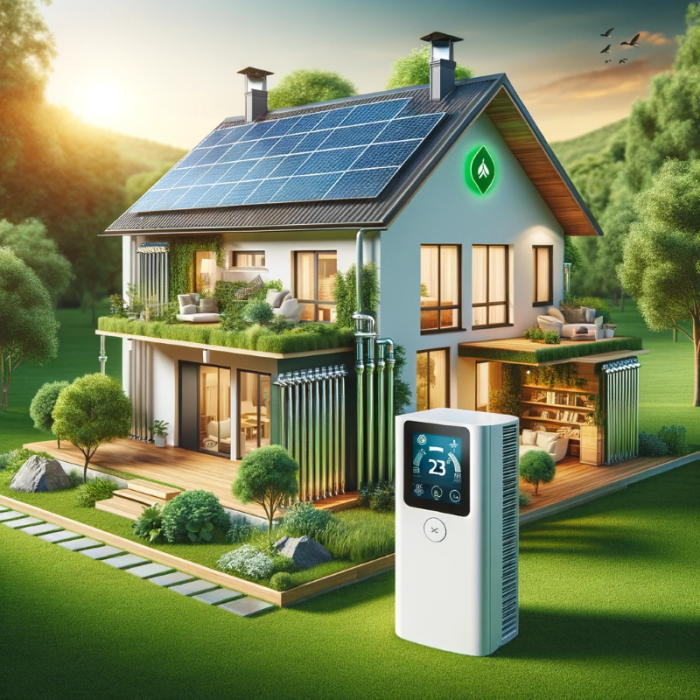
When it comes to designing eco-friendly interiors that incorporate energy-efficient HVAC systems, there are several best practices to consider
Additionally, integrating natural ventilation with HVAC systems can further improve energy efficiency.
Proper Sizing and Placement of HVAC Equipment
- Ensure that HVAC equipment is correctly sized to meet the specific heating and cooling demands of the space.
- Proper placement of HVAC units can help minimize energy loss and optimize airflow within the building.
- Consider factors such as insulation, ductwork design, and building layout when determining the best location for HVAC equipment.
Building Orientation and Shading
- Optimal building orientation can reduce the need for excessive heating and cooling, leading to energy savings.
- Strategic use of shading elements such as trees, overhangs, and blinds can help control solar heat gain and improve HVAC efficiency.
- Utilize natural landscaping and architectural features to enhance the overall performance of energy-efficient HVAC systems.
Integration of Natural Ventilation
- Combining natural ventilation methods with HVAC systems can reduce reliance on mechanical cooling and improve indoor air quality.
- Utilize operable windows, skylights, and atriums to facilitate cross ventilation and enhance airflow within the building.
- Integrate sensors and controls to automatically adjust ventilation settings based on indoor air quality and occupancy levels.
Future Trends in Energy-Efficient HVAC Systems
Energy-efficient HVAC systems are continuously evolving to meet the demands of sustainability and energy efficiency in eco-friendly interiors. Let's explore some of the future trends shaping the HVAC industry.
Smart HVAC Systems and IoT Integration
Smart HVAC systems leverage IoT technology to optimize energy consumption based on real-time data and user preferences. By integrating sensors and smart controls, these systems can adjust temperature settings, airflow, and ventilation to maximize efficiency while maintaining comfort levels.
Advancements in Renewable Energy Sources
The integration of renewable energy sources such as solar power and geothermal energy is a growing trend in powering HVAC systems. By harnessing clean and sustainable energy sources, buildings can reduce their carbon footprint and dependency on traditional energy grids.
Potential Innovations in HVAC Efficiency
Innovations such as advanced heat recovery systems, variable refrigerant flow technology, and enhanced insulation materials are revolutionizing the efficiency of HVAC systems. These advancements not only improve energy efficiency but also contribute to a healthier indoor environment by reducing energy waste and emissions.
Conclusion
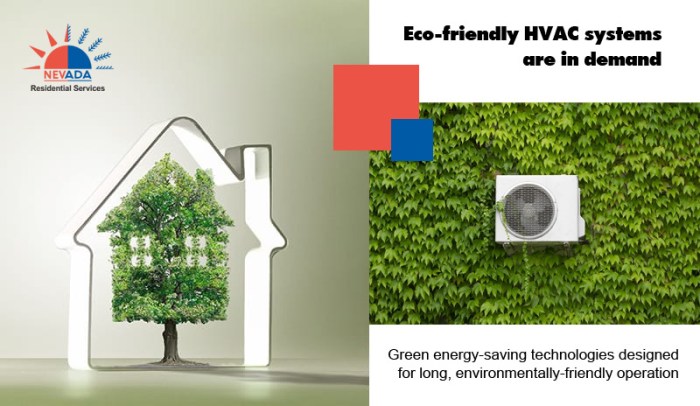
In conclusion, energy-efficient HVAC systems are not only cost-effective but also contribute significantly to reducing carbon footprint and enhancing indoor air quality. By implementing these systems in eco-friendly interiors, we can create a more sustainable and comfortable living environment for all.
Questions and Answers
What are the key benefits of energy-efficient HVAC systems?
Energy-efficient HVAC systems help lower utility bills, reduce energy consumption, lower greenhouse gas emissions, and create a healthier indoor environment.
What components make HVAC systems energy-efficient?
Key components include insulation, programmable thermostats, and variable speed motors that contribute to optimal energy efficiency.
How can building orientation affect the performance of energy-efficient HVAC systems?
Proper building orientation can maximize natural lighting and reduce the workload on HVAC systems, improving overall efficiency.