Home exteriors roofing sets the stage for this enthralling narrative, offering readers a glimpse into a story that is rich in detail with casual formal language style and brimming with originality from the outset.
Roofing materials, design trends, installation process, and maintenance tips are all vital aspects that contribute to the integrity and aesthetics of a home's exterior. This guide will delve into each of these components, providing valuable insights for homeowners looking to enhance their property.
Types of Roofing Materials
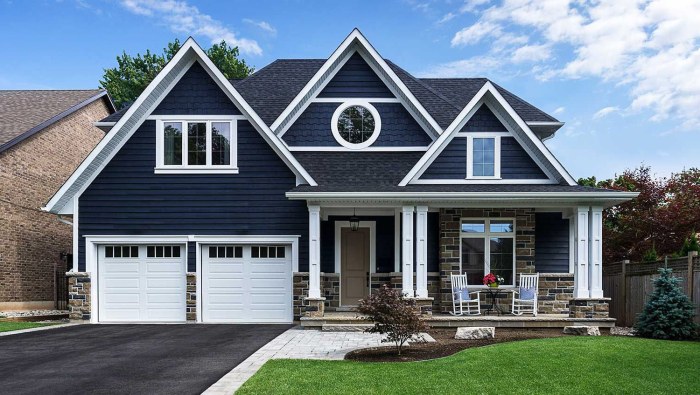
When it comes to roofing materials for home exteriors, there are several options available, each with its own set of pros and cons. Let's explore some of the most popular choices.
Asphalt Shingles
Asphalt shingles are one of the most common roofing materials used in residential properties. They are cost-effective, easy to install, and come in a variety of colors and styles. However, they may not be as durable as other materials and may require more frequent replacement compared to alternatives like metal or tile.
Metal Roofing
Metal roofing is known for its durability and longevity. It can withstand harsh weather conditions, including heavy rain and snow. While metal roofs may have a higher upfront cost, they often require less maintenance over time. Additionally, metal roofs are eco-friendly and recyclable.
Tile Roofing
Tile roofing is popular for its aesthetic appeal and longevity. It comes in various materials such as clay, concrete, and slate, offering a unique and customizable look for homes. However, tile roofs can be heavy and may require additional structural support.
They are also more expensive than asphalt shingles or metal roofing.
Wood Shingles
Wood shingles provide a natural and rustic look to homes. They are eco-friendly and biodegradable, making them a sustainable option. However, wood shingles are prone to rot, mold, and insect damage, requiring regular maintenance and treatment to prolong their lifespan.
Roofing Design Trends
In the realm of home exteriors, roofing design plays a crucial role in defining the overall aesthetic appeal of a house. Keeping up with the latest trends in roofing styles, colors, and textures can significantly enhance the curb appeal of a home, making it stand out in the neighborhood.
Modern Roofing Styles
- Flat roofs: Flat roofs have gained popularity in modern architecture for their sleek and minimalist look.
- Metal roofs: Metal roofs are not only durable but also come in a variety of colors and textures, adding a contemporary touch to any home.
- Green roofs: Green roofs, covered with vegetation, are an eco-friendly trend that provides insulation and reduces stormwater runoff.
Popular Roofing Colors
- Earthy tones: Shades of brown, gray, and green are currently trending for roofing colors, blending well with natural surroundings.
- Bold accents: Some homeowners are opting for bold colors like red, blue, or black to make a statement with their roof.
- Neutral palettes: Neutral colors such as white, beige, and light gray remain timeless choices for a classic and elegant look.
Texture Variations
- Cedar shakes: Cedar shakes add a rustic and charming look to a home, creating a warm and inviting atmosphere.
- Architectural shingles: Architectural shingles mimic the appearance of expensive roofing materials like slate or wood but at a more affordable price point.
- Standing seam metal: Standing seam metal roofs offer a modern and industrial aesthetic with clean lines and a distinctive profile.
Roofing Installation Process
When it comes to installing a new roof for a home exterior, there are several important steps that need to be followed. From preparation to completion, the process involves careful planning, the right materials, and attention to detail.
Preparation
- Inspect the existing roof for any damage or issues that need to be addressed before installation.
- Clean the roof surface to ensure proper adhesion of the new roofing materials.
- Measure the roof area accurately to determine the amount of materials needed.
- Prepare the work area by removing any obstacles or debris that could interfere with the installation process.
Materials Required
- Roofing shingles or other chosen roofing materials.
- Underlayment to provide an additional layer of protection against water infiltration.
- Flashing to prevent water from seeping into joints and edges.
- Nails, screws, and other fasteners to secure the roofing materials in place.
Timeline
- The timeline for a typical roofing installation can vary depending on the size of the roof and the weather conditions.
- On average, a roofing installation can take anywhere from a few days to a week to complete.
- It is important to factor in potential delays due to weather conditions such as rain or high winds.
Safety Measures
- Ensure that all workers are properly trained and equipped with the necessary safety gear.
- Use caution when working at heights and always follow proper safety protocols.
- Avoid working on the roof during inclement weather conditions to prevent accidents or injuries.
Roofing Maintenance Tips
Regular maintenance is crucial to extending the lifespan of your home's exterior roofing. By following these essential maintenance tips, you can prevent damage and save money in the long run.
Schedule Regular Inspections
- Inspect your roof at least once a year, preferably in the spring or fall.
- Look for signs of damage, such as missing shingles, cracks, or leaks.
- Hire a professional roofer for a more thorough inspection every 3-5 years.
Keep Your Roof Clean
- Remove debris, leaves, and branches from your roof regularly to prevent water buildup.
- Clean your gutters and downspouts to ensure proper drainage and prevent water damage.
- Avoid pressure washing your roof, as it can cause damage to shingles and flashing.
Prompt Repairs
- Address any issues promptly to prevent them from escalating and causing more extensive damage.
- Replace missing or damaged shingles as soon as possible to maintain the integrity of your roof.
- Consult a professional roofer for repairs beyond your DIY capabilities.
Final Thoughts
In conclusion, understanding the intricacies of home exteriors roofing is crucial for maintaining a functional and visually appealing property. By exploring the different types of roofing materials, design trends, installation processes, and maintenance tips, homeowners can make informed decisions to protect their investment and elevate the curb appeal of their homes.
General Inquiries
What are the most common types of roofing materials used for home exteriors?
Popular roofing materials include asphalt shingles, metal, tile, and wood, each with its own set of advantages and disadvantages in terms of durability, cost, and aesthetics.
How can roofing design impact the overall curb appeal of a home?
Innovative roofing styles, colors, and textures can significantly enhance the visual appeal of a home, making it stand out in modern architecture and increasing its market value.
What are some essential maintenance tips to prolong the lifespan of home exterior roofing?
Regular inspections, cleaning, and timely repairs are key to preventing damage and ensuring the longevity of a home's roofing, ultimately saving homeowners money by avoiding costly repairs in the future.