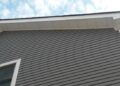
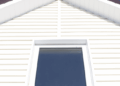
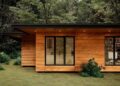
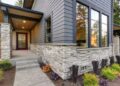
Embark on a journey into the world of natural wood siding houses, where elegance meets practicality. Discover how this timeless choice can transform the look and feel of your home, adding a touch of warmth and charm to your property.
Delve deeper into the benefits, types of wood suitable for siding, installation process, and maintenance tips to make an informed decision for your next home project.
Benefits of Natural Wood Siding
Natural wood siding offers numerous advantages when used on a house. Not only does it provide a warm and inviting look, but it also brings a touch of nature to the exterior of a home.
Enhancement of Aesthetics
One of the key benefits of natural wood siding is how it enhances the aesthetics of a home. The rich texture and natural variations in wood grains create a unique and timeless look that adds character and charm to any property.
Property Value Increase
Natural wood siding can significantly increase the value of a property. Potential homebuyers often find the classic appeal and durability of wood siding appealing, leading to higher resale values compared to homes with other types of siding materials.
Types of Wood Suitable for Siding
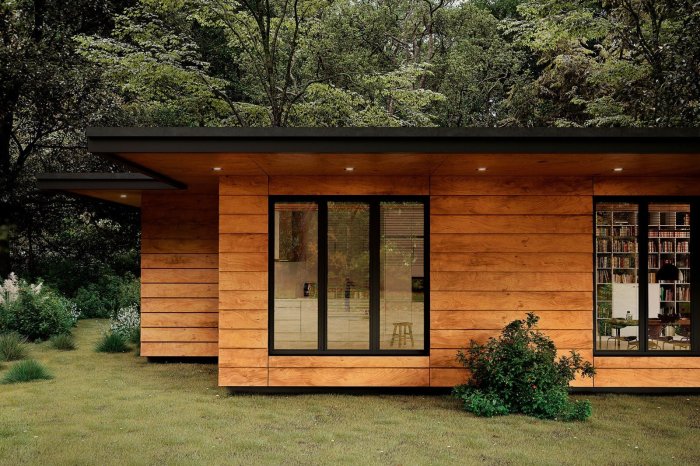
When it comes to choosing the right wood for siding, there are several options available, each with its own unique characteristics. Here, we will discuss the most common types of wood used for siding, including their durability, maintenance requirements, and cost-effectiveness.
Cedar
Cedar is a popular choice for wood siding due to its natural resistance to rot, decay, and insects. It requires minimal maintenance, typically only needing to be stained or painted every few years. While cedar siding may have a higher upfront cost, its longevity and durability make it a cost-effective option in the long run.
Pine
Pine is another common wood choice for siding, known for its affordability and availability. However, pine is less durable than cedar and may require more frequent maintenance, such as regular painting or staining to protect against rot and decay. Despite the lower initial cost, the long-term maintenance needs of pine siding should be considered when evaluating its cost-effectiveness.
Redwood
Redwood is a premium wood option for siding, prized for its rich color and natural resistance to decay and insects. Redwood siding is low maintenance, often only requiring occasional staining or sealing. While redwood may have a higher initial cost compared to other wood types, its durability and aesthetic appeal can make it a worthwhile investment.
Spruce
Spruce is a budget-friendly wood choice for siding, offering a clean and uniform appearance. However, spruce is less durable than cedar or redwood and may require more frequent maintenance to prevent rot and decay. While spruce siding may be a cost-effective option for those on a tight budget, the ongoing maintenance needs should be factored into the overall cost.
Installation Process
When it comes to installing natural wood siding on a house, there are several important steps to follow to ensure a successful and long-lasting installation.
Preparation
- Ensure the exterior walls are clean, dry, and free of any obstructions.
- Inspect the walls for any signs of damage or rot and make necessary repairs.
- Apply a weather-resistant barrier to protect the walls from moisture.
Installation Steps
- Start by measuring and cutting the wood siding to fit the dimensions of the walls.
- Begin at the bottom of the wall and work your way up, overlapping each row of siding to prevent water infiltration.
- Secure the siding to the walls using nails or screws, making sure to leave room for expansion and contraction.
- Finish by applying a protective finish or stain to the wood siding to enhance its durability and resistance to the elements.
Tools and Materials
- Tools: Hammer, nails, screws, saw, level, measuring tape, ladder, protective gear.
- Materials: Natural wood siding, weather-resistant barrier, finish or stain.
Best Practices
- Follow the manufacturer's instructions for installation to ensure proper alignment and spacing.
- Avoid installing wood siding directly on top of existing siding to prevent moisture buildup.
- Regularly inspect and maintain the wood siding to prevent damage from pests, weather, and moisture.
Maintenance and Care
Maintaining and caring for natural wood siding is essential to ensure its longevity and beauty. Regular upkeep can prevent damage and prolong the life of your siding.
Regular Inspections
- Perform routine inspections of your wood siding to check for any signs of damage, such as cracks, rot, or mold.
- Address any issues promptly to prevent them from worsening and causing further damage.
Treatment and Preservation
- Apply a protective finish or sealant to your wood siding to help shield it from moisture, UV rays, and other environmental factors.
- Regularly reapply the finish according to the manufacturer's recommendations to maintain its effectiveness.
Cleaning Methods
- Regularly clean your wood siding with a mild detergent and water to remove dirt, grime, and mildew.
- Avoid using harsh chemicals or power washers, as they can damage the wood.
Protection from Elements
- Trim trees and bushes near your wood siding to prevent damage from branches rubbing against the surface.
- Ensure proper drainage around your home to prevent water from pooling near the siding.
Final Thoughts
In conclusion, natural wood siding houses offer a unique blend of beauty, durability, and value. With proper care and maintenance, your home can stand out for years to come, showcasing the natural allure of wood siding. Dive into this enriching experience and elevate your living space with the unmatched appeal of natural wood siding.
Frequently Asked Questions
What are the benefits of natural wood siding?
Natural wood siding provides a classic aesthetic, enhances property value, and offers great durability when properly maintained.
Which types of wood are commonly used for siding?
Cedar, redwood, pine, and spruce are popular choices for natural wood siding due to their durability and visual appeal.
How do I maintain natural wood siding?
Regular inspections, treatments for pests and rot, and occasional cleaning are essential for maintaining the beauty and integrity of natural wood siding.
What tools are needed for installing natural wood siding?
Tools like a hammer, nails, saw, level, and caulking gun are typically required for a successful wood siding installation.
How can I protect wood siding from the elements?
Applying a protective sealant, keeping the siding clean, and addressing any damage promptly can help protect wood siding from weathering and decay.