Embark on a journey into the realm of computer information systems degree, where technology and innovation converge to shape the future. Discover the ins and outs of this dynamic field, from essential skills to exciting career prospects.
Overview of Computer Information Systems Degree
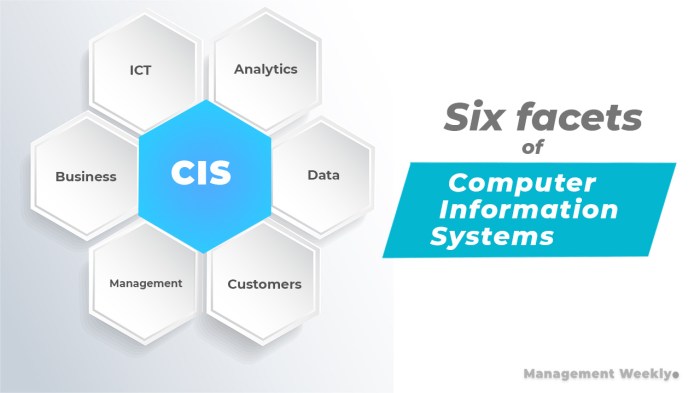
A computer information systems degree focuses on the study of how technology can be used to solve business problems and improve organizational efficiency. Students in this program learn how to design, implement, and manage information systems that are crucial for the success of modern businesses.
In today's digital world, computer information systems play a vital role in the operations of organizations across various industries. From managing data to developing software applications, professionals with expertise in computer information systems are in high demand.
Key Skills and Knowledge Gained
- Understanding of database management systems and data analysis techniques.
- Proficiency in programming languages such as Java, C++, or Python.
- Knowledge of network security principles and cybersecurity measures.
- Ability to design and develop information systems to meet business requirements.
- Skills in project management and collaboration for successful implementation of IT projects.
Core Courses in a Computer Information Systems Degree
In a Computer Information Systems degree program, students typically take a set of core courses that provide them with a solid foundation in various aspects of information systems. These courses are essential in preparing students for a successful career in the field by equipping them with the necessary knowledge and skills.
Database Management Systems
- Introduction to database concepts
- Database design and implementation
- Querying and managing databases
- Database security and integrity
Programming Fundamentals
- Basic programming concepts and principles
- Software development methodologies
- Programming languages such as Java, Python, or C++
- Problem-solving and algorithm development
Systems Analysis and Design
- Understanding system requirements
- System modeling and design techniques
- Software development life cycle
- Testing and implementation strategies
Information Technology Management
- IT project management
- IT infrastructure and operations
- IT governance and compliance
- Strategic planning for IT systems
Specializations and Electives
Within a Computer Information Systems degree program, students have the opportunity to specialize in specific areas of interest and choose elective courses to tailor their education to their career goals.
Specializations in Computer Information Systems
Some common specializations within Computer Information Systems include:
- Database Management
- Network Security
- Web Development
- Business Intelligence
- Software Development
Elective Courses
Students can choose elective courses based on their interests and career aspirations. Some examples of elective courses in Computer Information Systems may include:
- Mobile Application Development
- Cloud Computing
- IT Project Management
- Cybersecurity Fundamentals
- Data Analytics
Benefits of Specializing
Specializing in a specific area within Computer Information Systems can provide several benefits, including:
- Enhanced expertise and knowledge in a particular field
- Increased job opportunities in specialized roles
- Higher earning potential due to specialized skills
- Ability to focus on areas of interest and passion within the field
Hands-On Experience and Projects
Hands-on experience and projects play a crucial role in a computer information systems degree, providing students with practical skills and real-world application of theoretical knowledge.
Types of Projects and Practical Experiences
- Software Development Projects: Students may work on developing software applications or systems, applying programming languages and best practices.
- Database Design and Implementation: Students can gain experience in designing databases, implementing data models, and optimizing database performance.
- Network Configuration and Security: Hands-on experience with setting up and securing computer networks, understanding protocols, and addressing security threats.
- IT Consulting Projects: Students may engage in consulting projects with real clients, analyzing their needs, recommending solutions, and implementing technology strategies.
Preparation for Real-World Challenges
These hands-on opportunities prepare students for the challenges they will face in the field by simulating real-world scenarios and tasks. By working on projects, students develop problem-solving skills, collaboration abilities, and practical knowledge that are essential in the workplace.
Career Opportunities with a Computer Information Systems Degree
Graduates with a degree in Computer Information Systems have a wide range of career paths to choose from in today's digital age. The demand for professionals with expertise in information systems is continuously growing, opening up diverse and rewarding opportunities in various industries.
Information Systems Manager
- Responsible for overseeing the technology infrastructure of an organization.
- Manage IT teams, projects, and budgets to ensure efficient operations.
- Median annual salary: $146,360 (Bureau of Labor Statistics).
Cybersecurity Analyst
- Protect an organization's computer networks and systems from cyber threats.
- Monitor for security breaches, investigate violations, and implement security measures.
- Median annual salary: $99,730 (Bureau of Labor Statistics).
Database Administrator
- Organize and store data using specialized software, ensuring data is secure and accessible.
- Implement data backup and recovery solutions for organizations.
- Median annual salary: $98,860 (Bureau of Labor Statistics).
IT Project Manager
- Coordinate and oversee technology projects from inception to completion.
- Manage resources, timelines, and deliverables to meet project goals.
- Median annual salary: $90,270 (Bureau of Labor Statistics).
Last Word
As we wrap up our exploration of computer information systems degree, we reflect on the vast opportunities it offers in the ever-evolving digital landscape. With a strong foundation and specialized knowledge, graduates are poised to make a significant impact in the tech industry.
FAQ Section
What are the key skills gained in a computer information systems degree?
Students develop skills in programming, database management, systems analysis, and cybersecurity.
What are some common specializations within a computer information systems degree?
Popular specializations include cybersecurity, data analytics, network administration, and software development.
How do hands-on projects benefit students in a computer information systems degree?
Hands-on projects provide practical experience, problem-solving skills, and the ability to apply theoretical knowledge in real-world scenarios.
What career paths can one pursue with a computer information systems degree?
Graduates can explore roles such as systems analyst, IT manager, database administrator, cybersecurity specialist, and software developer.