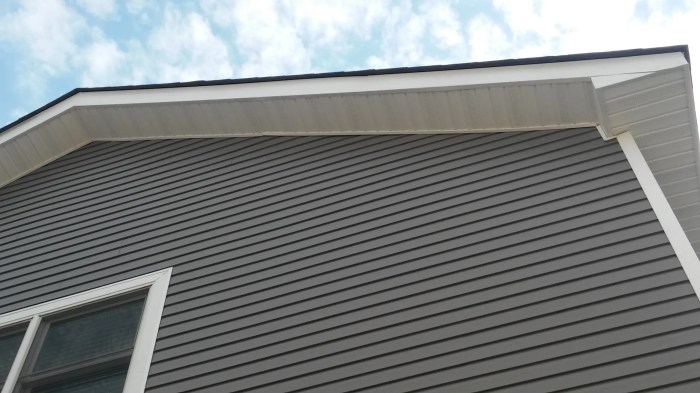
Delve into the intricate world of global siding and roofing where innovation meets tradition. Uncover the evolution of these essential construction elements and their impact on the architectural landscape worldwide.
Overview of Global Siding and Roofing Industry
The global siding and roofing industry has a rich history dating back centuries, evolving with advancements in materials and construction techniques. From traditional thatched roofs to modern metal roofing, the industry has seen significant developments over time.
Key Players and Market Trends
The global siding and roofing industry is driven by key players such as CertainTeed, Owens Corning, and GAF Materials Corporation, who lead the market with innovative products and sustainable solutions. Market trends indicate a shift towards eco-friendly materials, energy-efficient designs, and smart technologies in siding and roofing systems.
Importance in Construction Worldwide
Siding and roofing play a crucial role in construction worldwide, providing protection against the elements, enhancing the aesthetic appeal of buildings, and improving energy efficiency. Properly installed siding and roofing systems are essential for the longevity and durability of structures, making them integral components of any construction project.
Types of Siding Materials
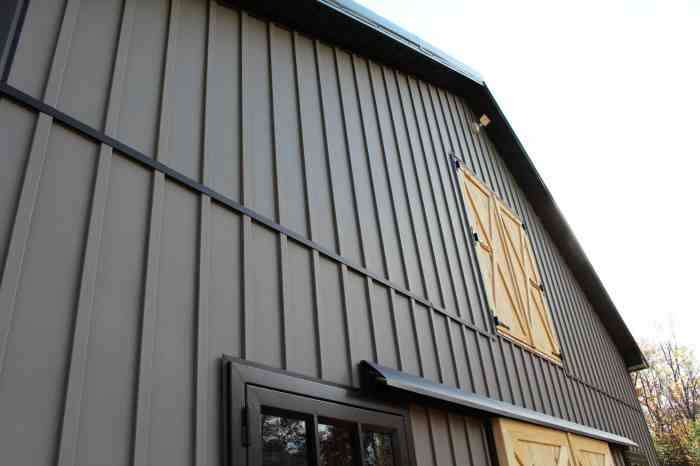
When it comes to siding materials, there are various options available globally, each with its own set of characteristics and benefits.
Vinyl Siding
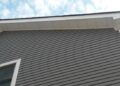
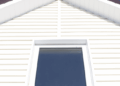
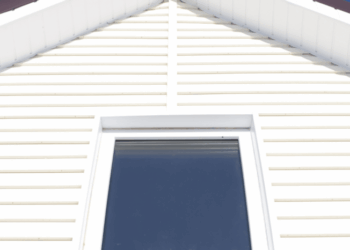
- Vinyl siding is one of the most popular choices due to its affordability and low maintenance requirements.
- It is durable, resistant to rot, and comes in a wide range of colors and styles.
- While it may not offer the same level of insulation as other materials, it is cost-effective and easy to install.
Fiber Cement Siding
- Fiber cement siding is known for its durability and resistance to fire, rot, and pests.
- It can mimic the look of wood or stucco but requires less maintenance and is more affordable.
- Although it may be heavier and more difficult to install, it is a long-lasting and cost-effective option in the long run.
Wood Siding
- Wood siding offers a natural and timeless look that many homeowners appreciate.
- It is environmentally friendly and can be easily painted or stained to match any aesthetic.
- However, wood siding requires regular maintenance to prevent rot, pests, and weather damage, making it a higher maintenance and costlier option.
Aluminum Siding
- Aluminum siding is lightweight, durable, and resistant to rust and rot.
- It is a low-maintenance option that can be easily recycled, making it an eco-friendly choice.
- While it may dent more easily than other materials, aluminum siding is cost-effective and can withstand harsh weather conditions.
Brick Siding
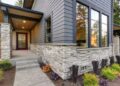
- Brick siding is known for its durability, longevity, and classic appeal.
- It offers excellent insulation properties and is resistant to fire, rot, and pests.
- While brick siding may be more expensive upfront, its long lifespan and minimal maintenance requirements make it a cost-effective choice in the long term.
Roofing Systems Around the World

Roofing systems vary greatly around the world, influenced by architectural styles, climate conditions, and available materials. Let's explore some popular roofing systems used in different regions and the factors that shape their designs.
Roofing Systems in Europe
In Europe, you will find a wide range of roofing styles reflecting the diverse architectural heritage of the continent. Traditional materials such as clay tiles, slate, and thatch are commonly used in countries like Spain, France, and the UK. These materials not only provide a unique aesthetic appeal but also offer durability and insulation properties.
Roofing Systems in Asia
Asian countries like Japan and China have their own distinct roofing styles influenced by centuries-old traditions. For example, in Japan, you will often see intricate wooden structures supporting curved roof tiles. These roofs are designed to withstand earthquakes and heavy snowfall, showcasing a blend of functionality and artistry.
Roofing Systems in the Americas
In the Americas, roofing materials and styles vary depending on the region's climate and cultural influences. In tropical areas like Brazil, corrugated metal roofs are popular due to their ability to withstand heavy rainfall and humidity. In contrast, in colder regions like Canada, you will find roofs made of asphalt shingles or metal panels to combat snow accumulation.
Impact of Climate on Roofing Materials
The choice of roofing materials is heavily influenced by the climate of a particular region. For instance, in hot and sunny climates, reflective materials like metal or white tiles are preferred to reduce heat absorption and energy costs. In areas prone to hurricanes or strong winds, durable materials like concrete or clay tiles are chosen for their wind-resistant properties.
Emerging Trends in Siding and Roofing
Innovative technologies, sustainability practices, and digital tools are reshaping the siding and roofing industry, driving significant advancements in construction and design processes.
Innovative Technologies in Siding and Roofing
The emergence of advanced materials such as fiber cement, engineered wood, and composite siding has revolutionized the durability and aesthetics of siding products. These materials offer superior resistance to weather elements, reducing maintenance costs and enhancing the overall longevity of the building envelope.
Sustainability Practices in Siding and Roofing Construction
Sustainability has become a key focus in the siding and roofing industry, with the integration of eco-friendly materials and energy-efficient solutions. Green roofing systems, solar panels, and rainwater harvesting systems are increasingly being incorporated into building designs to minimize environmental impact and promote energy conservation.
Digital Tools Revolutionizing Design and Installation Process
Advancements in digital tools, such as Building Information Modeling (BIM) software and drone technology, have streamlined the design and installation process of siding and roofing systems. These tools enable precise measurements, accurate simulations, and efficient project management, enhancing productivity and reducing errors during construction.
Summary
As we conclude this exploration of global siding and roofing, it becomes evident that these components are not just functional but also integral to the aesthetics and sustainability of buildings across the globe.
Answers to Common Questions
What are some common types of siding materials used globally?
Common types include vinyl, wood, fiber cement, and metal.
How do architectural influences impact roofing designs globally?
Architectural styles dictate the shape, slope, and material choices for roofs in different regions.
What are some emerging technologies in the siding and roofing industry?
Innovations like solar roofing, cool roofs, and 3D modeling are transforming the sector.
How does climate influence the choice of roofing materials?
Climate determines factors like insulation needs, wind resistance, and material durability in roofing decisions.