As the importance of HVAC tune-ups near you becomes evident, this article aims to provide valuable insights in a formal and engaging manner. It delves into the significance of regular maintenance, the key tasks involved, and tips for finding the right service provider.
Exploring the nuances of HVAC tune-ups can help you make informed decisions and ensure the longevity of your system.
Importance of HVAC Tune-Up
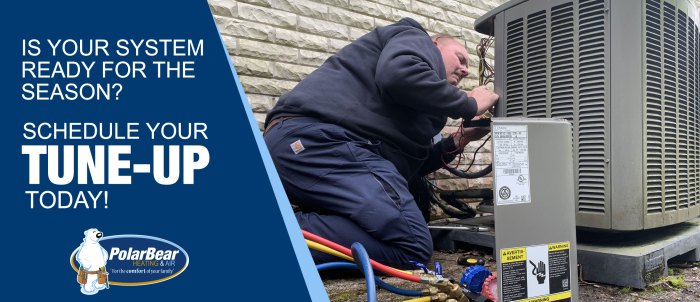
Regular HVAC tune-ups are crucial for maintaining the efficiency and longevity of your system. By scheduling routine maintenance, you can ensure that your HVAC system operates at its optimal performance, providing you with a comfortable indoor environment all year round.
Benefits of HVAC Tune-Ups
- Improved Indoor Air Quality: Regular tune-ups help remove dust, debris, and other contaminants from your system, leading to cleaner and healthier air circulating in your home.
- Energy Savings: A well-maintained HVAC system operates more efficiently, resulting in lower energy consumption and reduced utility bills.
- Prevent Costly Repairs: Neglecting HVAC maintenance can lead to minor issues escalating into major problems, potentially causing system breakdowns that require expensive repairs or replacements.
What is Included in an HVAC Tune-Up?
During an HVAC tune-up, several essential tasks are typically performed to ensure the system functions optimally and efficiently.
Checking Refrigerant Levels
One crucial task during an HVAC tune-up is checking the refrigerant levels. Proper refrigerant levels are essential for the system to operate efficiently and maintain the desired temperature levels. Low refrigerant levels can lead to decreased cooling capacity and potential system damage.
Cleaning Coils
Cleaning the coils, both evaporator and condenser coils, is another important step in an HVAC tune-up. Dust and dirt can accumulate on the coils over time, reducing the system's efficiency. Clean coils allow for better heat transfer and improved overall performance.
Inspecting Electrical Connections
Inspecting electrical connections is vital to ensure the safe and proper operation of the HVAC system. Loose or damaged electrical connections can lead to system malfunctions, inefficiency, or even safety hazards. Checking and tightening connections during a tune-up helps prevent potential issues.
Additional Services
- Changing air filters: Clean air filters are essential for maintaining good indoor air quality and preventing strain on the HVAC system.
- Lubricating moving parts: Proper lubrication of moving parts reduces friction and wear, extending the lifespan of the system.
- Calibrating thermostat: Ensuring the thermostat is calibrated correctly helps maintain accurate temperature control and energy efficiency.
Finding the Right HVAC Tune-Up Service
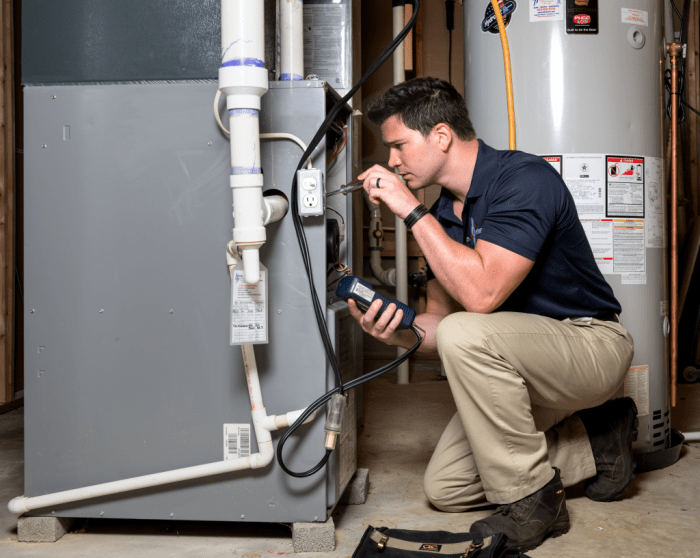
When looking for the right HVAC tune-up service, it's essential to consider various factors to ensure you choose a reliable and reputable provider that meets your specific needs and budget. Here are some tips to help you find the best HVAC tune-up service for your home or business.
Factors to Consider When Choosing an HVAC Tune-Up Service
- Reputation: Look for HVAC service providers with a good reputation in the industry. Check online reviews, testimonials, and ask for recommendations from friends or family.
- Experience: Choose a company with years of experience in the HVAC industry. Experienced technicians are more likely to diagnose issues accurately and provide quality service.
- Pricing: While cost is an important factor, it should not be the sole determining factor. Compare prices from different providers and ensure they offer a comprehensive tune-up package.
Qualities of a Reliable HVAC Technician
- Certifications: Verify that the HVAC technician is certified and licensed to perform HVAC services in your area. This ensures they have the necessary training and skills to handle your system.
- Customer Reviews: Read customer reviews and testimonials to gauge the quality of service provided by the HVAC technician. Positive reviews are a good indicator of a reliable technician.
- Punctuality and Professionalism: Look for technicians who are punctual, professional, and respectful of your property. A reliable technician should communicate clearly and address any concerns you may have.
Tips for Choosing the Best HVAC Tune-Up Service
- Get Multiple Quotes: Obtain quotes from multiple HVAC service providers to compare pricing and services offered. This allows you to make an informed decision based on your budget and needs.
- Ask About Maintenance Plans: Inquire about maintenance plans offered by the HVAC company to ensure regular maintenance of your system. This can help prevent costly repairs in the future.
- Check Warranty: Verify if the HVAC tune-up service comes with a warranty or guarantee. A warranty ensures that you are protected in case of any issues after the tune-up.
DIY HVAC Tune-Up Tips
Regular maintenance is key to keeping your HVAC system running efficiently. Here are some simple DIY tasks you can perform to ensure your system stays in good condition between professional tune-ups.
Changing Air Filters
One of the most important tasks you can do yourself is changing the air filters regularly. Clogged filters can restrict airflow and make your system work harder, leading to higher energy bills and potential damage.
- Locate the air filter in your HVAC system.
- Check the manufacturer's recommendations for how often to change it.
- Purchase a new filter of the correct size and type.
- Turn off your HVAC system before replacing the filter.
- Remove the old filter and replace it with the new one, making sure it's facing the correct direction.
- Turn your system back on and enjoy improved air quality and efficiency.
Cleaning Vents
Dirty vents can block airflow and reduce the efficiency of your HVAC system. Regular cleaning can help improve air quality and keep your system running smoothly.
- Remove vent covers and vacuum any dust or debris inside.
- Use a damp cloth to wipe down the vent covers and remove any built-up grime.
- Make sure all vents are clear of obstructions like furniture or curtains.
- Consider professional duct cleaning if you notice excessive dust or debris inside your ductwork.
Safety Precautions
When performing DIY HVAC maintenance, it's important to prioritize safety to avoid accidents or damage to your system. Here are some safety precautions to consider:
- Always turn off your HVAC system before starting any maintenance tasks.
- Wear protective gear like gloves and goggles when handling cleaning products or sharp tools.
- Avoid touching any electrical components without proper training or knowledge.
- If you're unsure about any task, it's best to consult a professional HVAC technician.
Wrap-Up
In conclusion, prioritizing HVAC tune-ups near your location is crucial for optimal performance and cost savings in the long run. By understanding the key aspects discussed in this article, you can make informed choices and maintain a comfortable indoor environment.
Question Bank
What are the benefits of scheduling regular HVAC tune-ups?
Regular HVAC tune-ups improve efficiency, indoor air quality, and can lead to energy savings in the long run.
What tasks are commonly included in an HVAC tune-up?
Tasks include checking refrigerant levels, cleaning coils, and inspecting electrical connections to ensure optimal system function.
How do I find the right HVAC tune-up service provider?
Compare providers based on reputation, experience, and pricing. Look for certified technicians with positive customer reviews.
Are there any DIY HVAC maintenance tips I can follow?
Homeowners can perform tasks like changing air filters and cleaning vents between professional tune-ups to maintain system condition.
What safety precautions should I consider for DIY HVAC tune-up activities?
When conducting DIY maintenance, ensure the system is turned off, and follow manufacturer guidelines to prevent accidents.